There’s a moment from my career that I bring up often, because I think it says everything that needs to be said about why law enforcement should work with the public not above them. It happened during a manhunt.
This wasn’t a minor situation, it involved an individual who had been stealing property, acting violently, and putting people at risk. Multiple agencies were involved. Officers were searching. But at the end of the day, the breakthrough didn’t come from a badge, a cruiser, or a radio call. It came from the community.
A citizen spotted the suspect, recognized that something wasn’t right, and alerted law enforcement. Without that set of eyes, without that attentiveness, without that phone call, that individual likely wouldn’t have been caught when he was. And I’ve never forgotten that. When I talk about community integration, that’s what I mean.
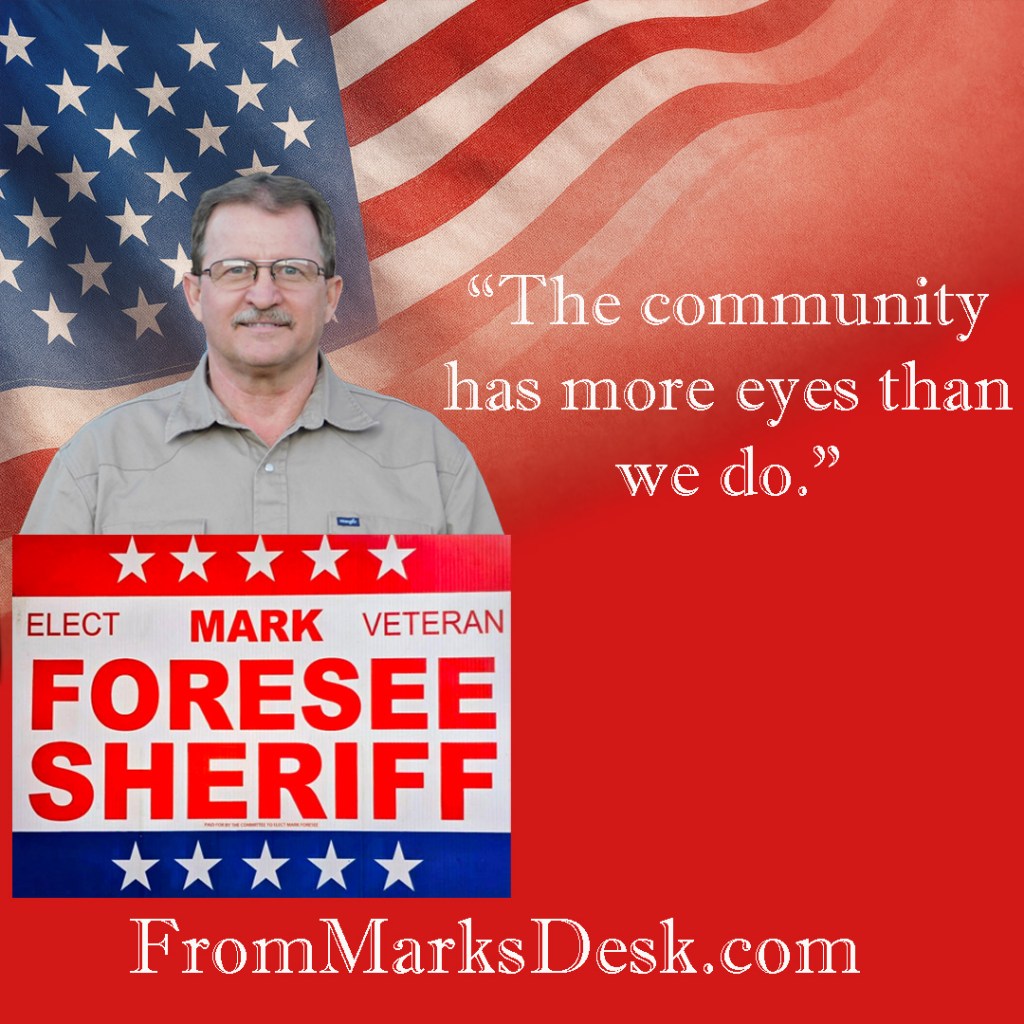
People sometimes assume that law enforcement alone is responsible for every outcome. But I’ve been involved in catastrophic events, investigations, high-pressure responses, and community-level cases all across this country. And I can tell you with certainty, The community has more eyes than we do.
Law enforcement might have training, tools, and authority but we have limited reach. We can’t be on every road, in every store, near every home, at every moment. We don’t see every car parked where it shouldn’t be, or every stranger walking behind a neighborhood fence. But the people who live there do. That’s why communication matters so much.
When citizens know what law enforcement is looking for, where activity is happening, or what type of threat may be nearby, they become active partners in safety. Instead of fear, there’s awareness. Instead of speculation, there’s clarity. Instead of rumors, there are actionable observations. And sometimes, as in that manhunt, community participation closes the case.
I’ve worked alongside sheriffs, OEM officials, city police, state police, and agencies in 48 states. I’ve seen the mistakes, the victories, the tragedies, and the best outcomes. And one truth stands firm: If you distance the community, you weaken the mission. We will not win the battle against crime, drugs, child exploitation, violent offenders, or anything else if the public is treated like spectators instead of partners. People want to help. They want to protect their neighbors. They want to know what’s happening around them. They want to engage with the solution not be locked out of the process.
When law enforcement communicates even with simple, fast updates it empowers the community to stay alert, stay safe, and support the mission. And when that relationship is healthy, it becomes one of the strongest tools we have. Because no matter how capable an agency is, no matter how trained the officers are, or how advanced the equipment may be, there is one thing that can multiply safety faster than anything else: An informed and empowered community.
 From Mark's Desk
Leave a comment