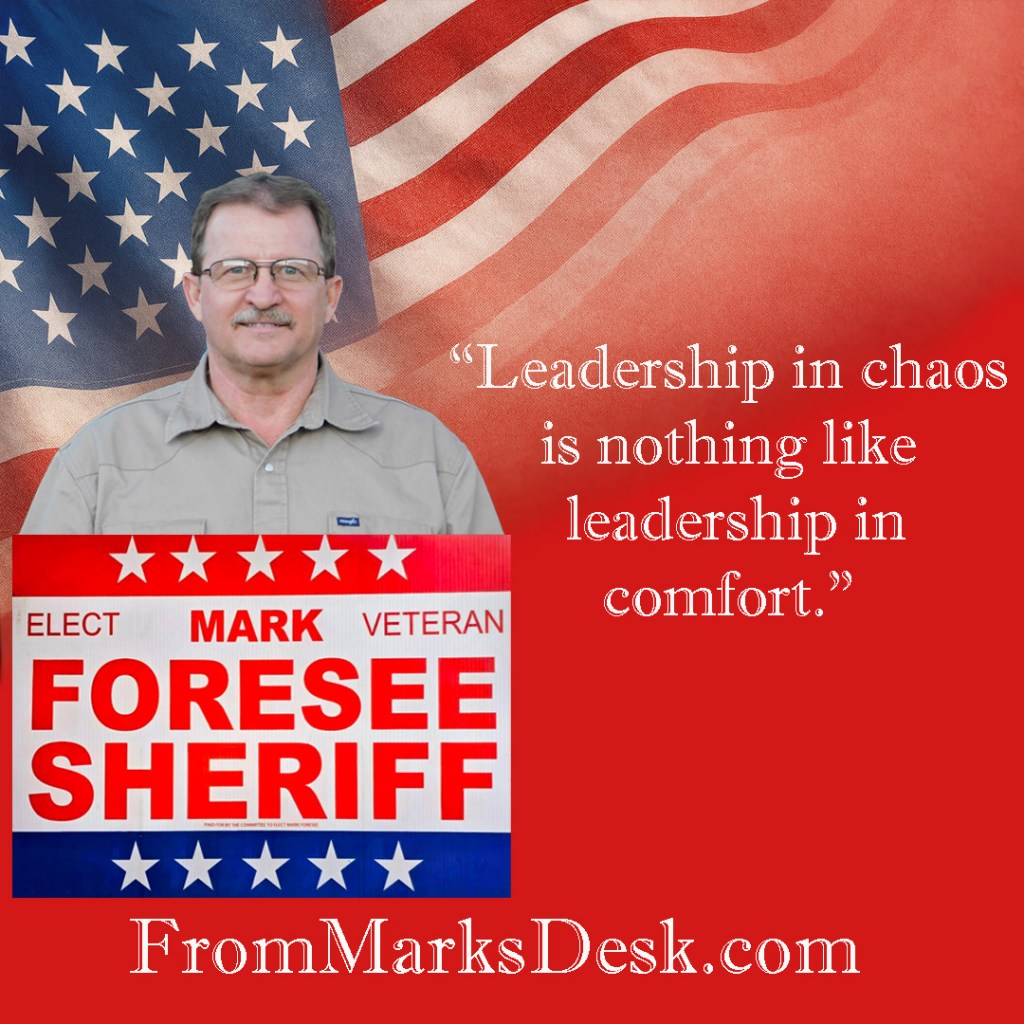
There are two kinds of leadership in this world:
Leadership in a controlled environment – where systems are stable, stress is predictable, and everything is running as designed and Leadership outside of a controlled environment – where the stakes are high, chaos is at your feet, and you’re forced to make decisions without the comfort of perfect information.
When you’ve walked through catastrophe work, when you’ve been handed 100 claims at once in a city with no functioning communications, when families need help and the clock is choking every second, you learn one thing quickly: Leadership proven in comfort isn’t leadership at all. Leadership is proven in chaos.
In those years working EMS, then adjusting after hurricanes, tornadoes, and Florida disaster zones… I learned humility, patience, boldness, and the importance of relying on people. Not just numbers, titles, or policy but people. Because no one solves large-scale problems alone. You survive because you’re surrounded by capable hands, good minds, and a shared mission. And that’s also where I learned another critical truth: micromanagement does not survive disaster.
When I found myself responsible for 60–70 responders in catastrophe zones, I didn’t have the luxury of hovering over their shoulder. I had to put the right people in the right positions, trust them, let them do their job, and lean on them when the pressure hit. That’s where leadership becomes real.
A leader who believes everything depends on them will eventually collapse. But a leader who sees the strength in others, recognizes where someone’s skill can outshine their own, and builds a network instead of a pedestal, that’s a leader who can move through crises and still deliver results.
The other piece that comes out of leading under pressure is humility. Emergency settings teach you very fast that pride is dangerous. It blocks communication, hides weaknesses, and turns colleagues into obstacles instead of assets. True leadership requires acknowledging you are one piece of a much bigger work and that success, especially in high-stress environments, comes from people operating together.
I’ve brought that perspective into every chapter of my life since. From EMS, to national disaster work,
to insurance investigations, to business management, and now into public service. When people ask what kind of leadership I believe in, it’s simple: Leadership that listens, communicates, trusts its people and stands steady when everyone else is shaking.
And leadership that measures itself not by comfort, but by what it can accomplish when the environment is anything but controlled. If you’ve never led during chaos, you’ve never truly been tested as a leader. I have been tested. And I believe leadership built under pressure is the kind you can count on because it knows what matters when things get hard.
 From Mark's Desk
Leave a comment